
Louisville football: Vince Marrow excited to work for Cardinals, Brohm
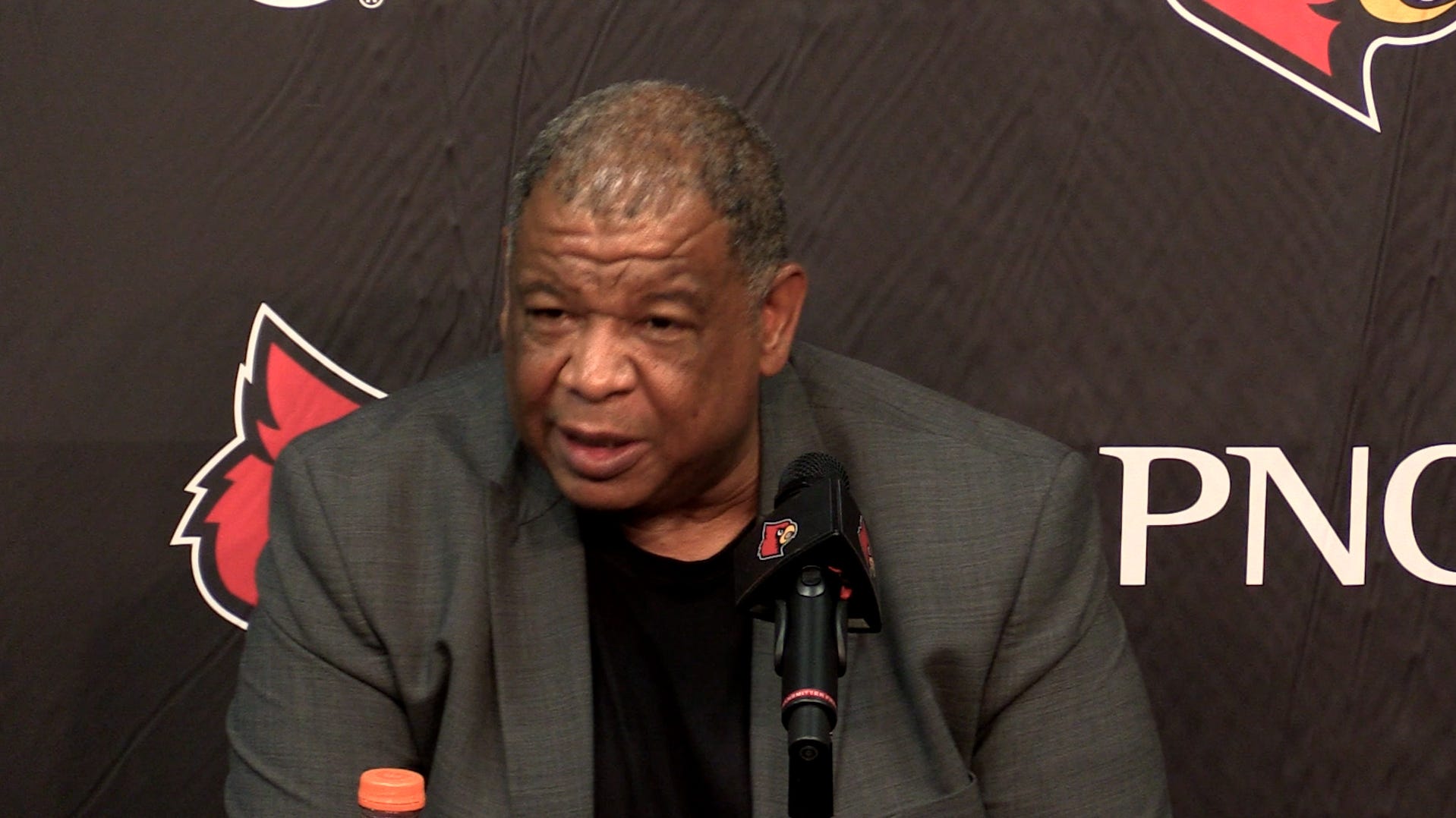
Vince Marrow, University of Louisville Executive Director of Player Personnel and Recruiting, shares his excitement to work with Louisville football.
- Starting July 1, universities can begin sharing revenue directly with athletes.
- The change was made possible by the House v. NCAA settlement.
- Below, we take a look at how Louisville and Kentucky’s athletics departments are adjusting to this new landscape.
Tuesday marks the dawn of a new era in college sports.
After the momentous House v. NCAA settlement received final approval June 6, universities such as Louisville and Kentucky can begin sharing revenue directly with athletes Tuesday.
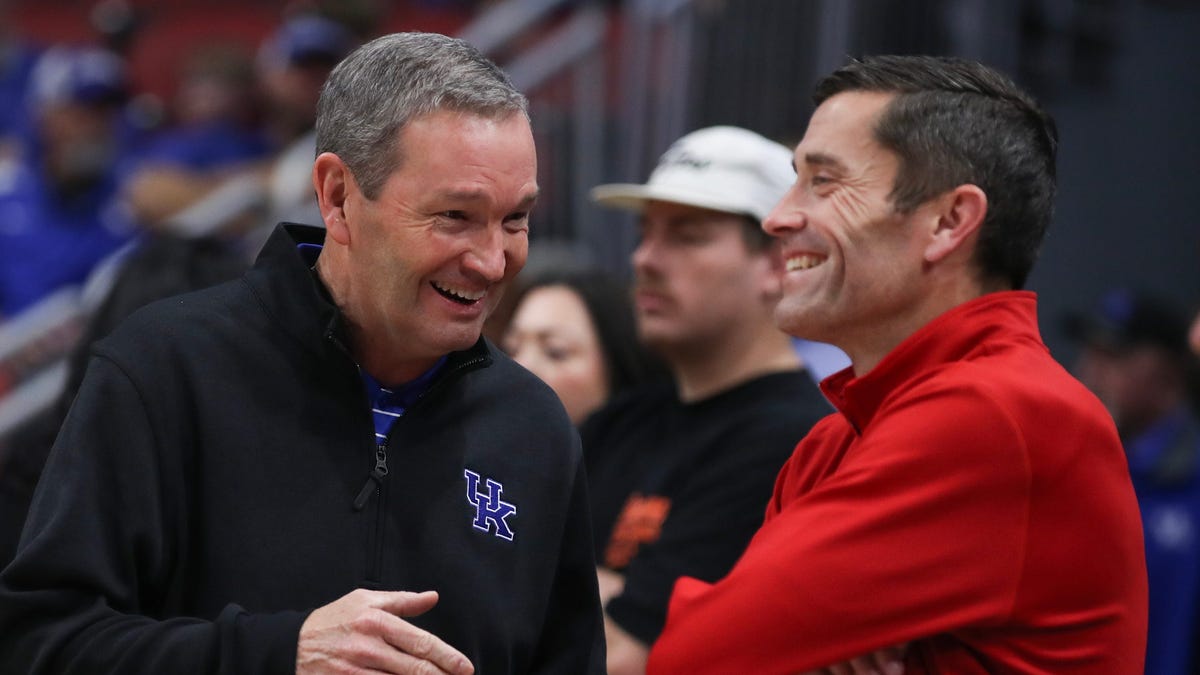
U of L athletics director Josh Heird in April called the settlement “the most transformative shift this industry has ever seen.” He and UK’s Mitch Barnhart have been mulling over not only how their departments are going to implement the changes but also how they’re going to fund them.
The Courier Journal has been documenting the Cardinals and Wildcats’ preparations for revenue sharing. Below, you’ll find answers to common questions surrounding the new landscape.
The House v. NCAA settlement will provide $2.8 billion in back damages to athletes who could not profit off their name, image and likeness between 2016 and Sept. 15, 2024.
It also does away with scholarship limits, instead imposing roster caps (with an optional grandfathering-in model to protect athletes in possession of spots from being cut), and establishes a revenue-sharing system in which athletics departments pay players directly.
The projected revenue-sharing cap for 2025-26 is $20.5 million and will increase by 4% annually.
For more, read Payton Titus’ report from the day the settlement received final approval.
Neither U of L nor UK has disclosed concrete plans for how they’ll divvy up the $20.5 million among their 23 varsity programs in 2025-26.
“The beauty of the cap space is that it is relatively fluid,” Barnhart told The Courier Journal in May, at the SEC’s spring meetings. “There may be years where different programs need more than the other, so I think that the management of that will be really, really important through our compliance folks.
“… We want to be flexible and be able to adjust, and we’ll do that. That’s where we’re gonna be instead of writing hardline things down in on paper.”
That said, it’s safe to assume that football and men’s basketball will receive the largest pieces of the pie as the top revenue drivers at both schools — and others around the country.
“There are some schools where it’s like, ‘Hey, we’re going to feed football. And basketball — meh, (we’re) not that concerned.’ We can’t do that,” Heird said June 17, during an interview with Drew Deener on WLCL 93.9-FM. “It’s not from a wins-and-losses standpoint; it’s from a revenue standpoint. When you look at the amount of money our basketball program makes, we have to be good at basketball for this athletic department to really be at its best.”
For more on how Louisville prepared for the House v. NCAA settlement, click here. For Kentucky, click here.
Both Louisville and Kentucky’s athletics departments are projecting deficits for the 2026 fiscal year.
U of L’s is $12.5 million. UK’s is $15.7 million.
When Louisville’s FY2026 budget was approved June 18, the university’s Athletic Association board also OK’d a $25 million line of credit to help navigate the early stages of the revenue-sharing era.
Kentucky, meanwhile, is exploring a $110 million loan from the university to help fund several revenue-generating projects. In April, it launched a board called Champions Blue, LLC; which will function like a holding company containing UK Athletics so the department can more quickly, efficiently and creatively adapt.
For more on U of L’s FY2026 budget, click here. For UK’s, click here.
Many NIL collectives are changing how they operate in the revenue-sharing era.
Louisville’s, 502Circle, is transitioning into a marketing agency that will assist coaches with roster construction while also using its creative content arm, Floyd Street Media, and local business partnerships to help athletes grow their brands and maximize their earning potential outside of revenue-sharing contracts.
“I still think the functionalities are gonna be pretty similar,” collective President Dan Furman told The Courier Journal. “It’s just gonna have more layers to it.”
U of L in January hired former Green Bay Packers Vice President Andrew Brandt as a consultant to help negotiate contracts and handle the NCAA transfer portal — or, as he likes to call it, “free agency.”
Under the House v. NCAA settlement, the NIL market will be more heavily monitored by a Deloitte-operated clearinghouse called “NIL go.” All deals exceeding $600 will have to be reported to and pass through the clearinghouse, which is intended to assess athletes’ fair market value.
For more on how NIL is changing at Louisville, click here. For columnist C.L. Brown’s take on how NIL and revenue sharing was key in Otega Oweh’s decision to withdraw from the NBA draft and run it back with Kentucky basketball in 2025-26, click here.
As Brown wrote in a recent column, “there’s more money than ever” to support Louisville and Kentucky’s Olympic sports athletes. The problem is: There may not be much left over after their respective revenue-generating programs are taken care of.
Between that and the new roster limits going into effect under the House v. NCAA settlement, coaches have a lot on their plates. Click here to listen to an episode of Brown’s podcast, featuring U of L swim coach Arthur Albiero, for a discussion of the changing times.
Reach Louisville men’s basketball reporter Brooks Holton at [email protected] and follow him on X at @brooksHolton.
#University #Louisville #Kentucky #Wildcats