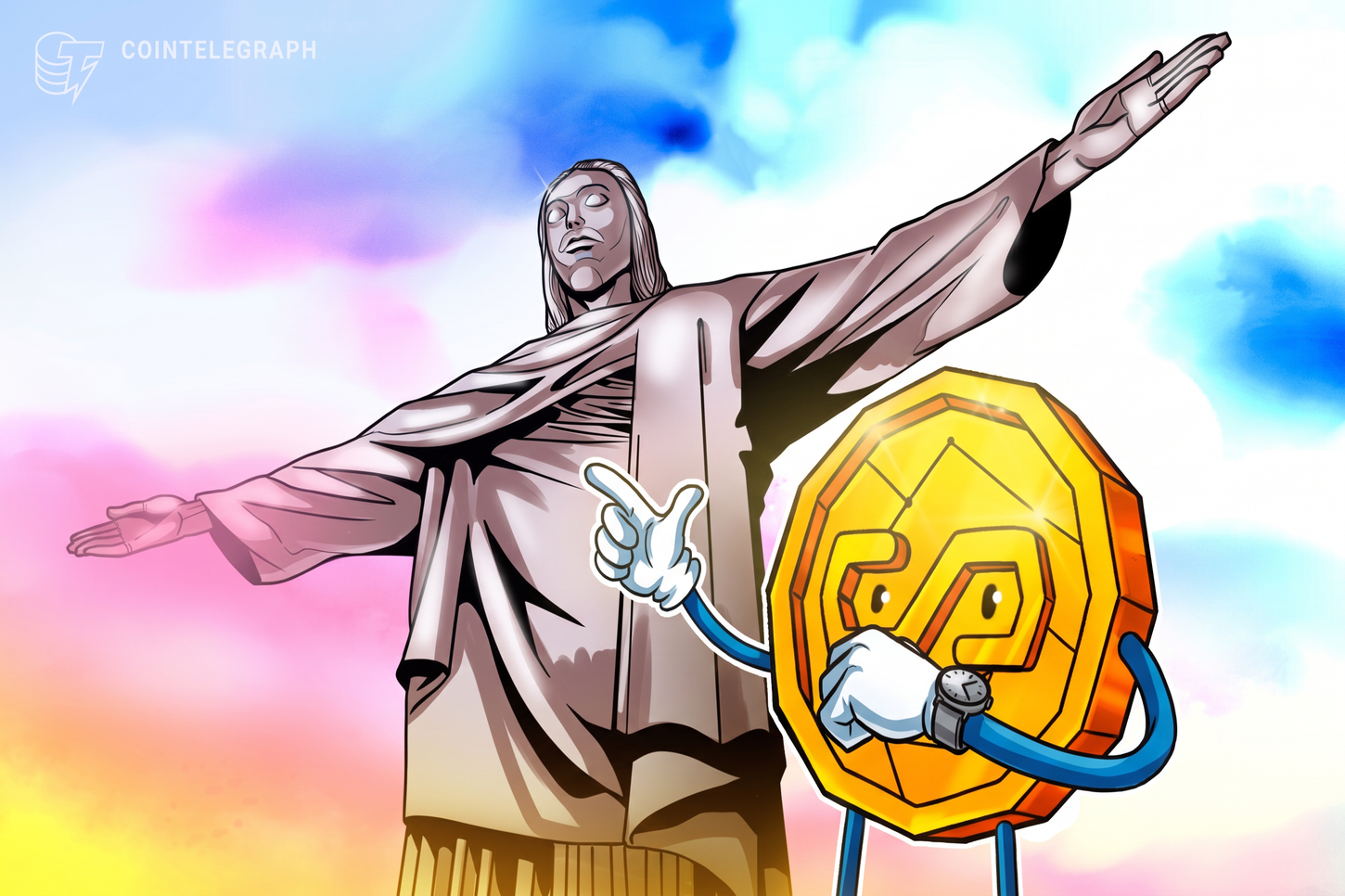
Brazil’s stock exchange B3 is moving ahead with 2027 plans for a stablecoin pegged to the Brazilian real, after initially targeting a launch this year.
B3 is collaborating with six of Brazil’s largest financial institutions, Bradesco, BTG Pactual, Itaú Unibanco, Safra, Santander and XP, to launch the stablecoin in the first quarter of 2027, according to a Friday report by local news outlet Valor Econômico.
Called Open BRL, the stablecoin is to be issued by Banco B3, the exchange’s banking subsidiary, with each token backed by one Brazilian real. B3 will operate the underlying technology.
The initiative marks a new stage in the exchange’s digital asset strategy as Brazil’s financial industry prepares to bring traditional securities onto blockchain networks.
B3’s stablecoin plans stretch into 2027
B3 first disclosed plans to introduce its own stablecoin in December 2025, targeting a launch in 2026.
As recently as July, the exchange was reportedly still preparing to launch a stablecoin called B3RL in the coming months, with infrastructure testing and integration with financial institutions scheduled for August and September.
B3RL was designed to be backed by Brazilian reais and secured by government bonds, and to facilitate blockchain-based trading of stocks and fixed-income securities starting in 2027.
It remains unclear whether Open BRL will replace B3RL or operate alongside it. Cointelegraph reached out to B3 for clarification but had not received a response by publication.
Tokenized stocks face regulatory hurdles
B3 also plans to introduce trading of tokenized shares in early 2027, initially using the same order book as conventional equities.
The platform would initially retain its two-business-day settlement cycle rather than introduce instant settlement, Humberto Costa, a B3 executive overseeing digital asset products, reportedly said in October.
Related: Brazil’s Halloween eve crypto deadline brings more tricks than treats
Costa also said B3RL would not handle settlement of tokenized shares at launch and that round-the-clock trading would require changes to Brazil’s regulatory framework.
Brazil’s Securities and Exchange Commission has been exploring a new regulatory framework for tokenization, presenting the progress of its dedicated working group at an industry meeting in October.
Magazine: Banks are banning AI agents over security… and competition concerns
#Brazils #Stock #Exchange #Targets #Stablecoin #Launch